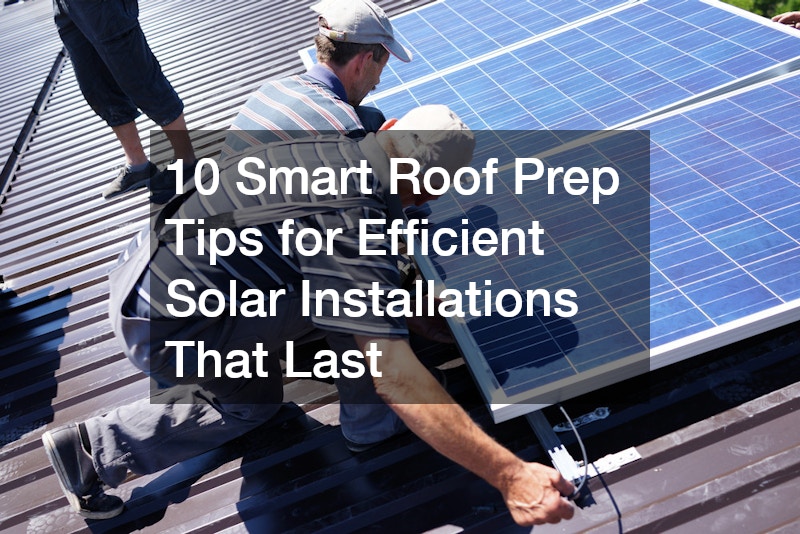
Installing solar panels is an exciting way to improve your home’s energy efficiency while cutting down on utility bills. Beyond the immediate savings, a properly installed system can provide long-term benefits for your home’s value and sustainability. However, before you begin the installation process, it’s essential to prepare your roof carefully. A well-prepared roof ensures that your solar system is safe, efficient, and built to last for many years.
Skipping proper preparation can lead to a range of problems, from leaks and reduced energy performance to more serious structural issues. Addressing potential concerns ahead of time not only protects your investment but also makes the installation process smoother and more reliable.
The following 10 tips provide practical guidance for homeowners looking to get their roofs ready for solar panels. By taking these steps, you can maximize your system’s efficiency, avoid costly setbacks, and ensure your solar installation delivers consistent performance for years to come.
1. Inspect Your Roof Thoroughly Before Installation
A detailed inspection is the first step toward a successful solar installation. Check your roof for any visible signs of wear, damage, or areas that may need reinforcement. Even minor issues can affect the long-term stability of your panels. Look for cracked shingles, loose flashing, or small leaks that could worsen after panel installation. Addressing these problems beforehand prevents interruptions during the solar project and ensures your home stays protected.
Engaging a reputable roofing company to perform a professional assessment can provide valuable insights. They can identify hidden structural issues that may not be obvious to an untrained eye. In addition to protecting your solar investment, a thorough inspection helps avoid safety hazards during installation. Residential roofers often recommend this step because it can save homeowners time and money by catching potential problems early.
Regular roof maintenance can also highlight areas prone to water accumulation or stress. Taking the time to inspect your roof thoroughly ensures that your solar panels have a solid, safe foundation. A roof in good condition allows solar installers to focus on efficiency rather than patching issues on the fly, making the entire project smoother and more reliable.
2. Address Roof Repairs Promptly
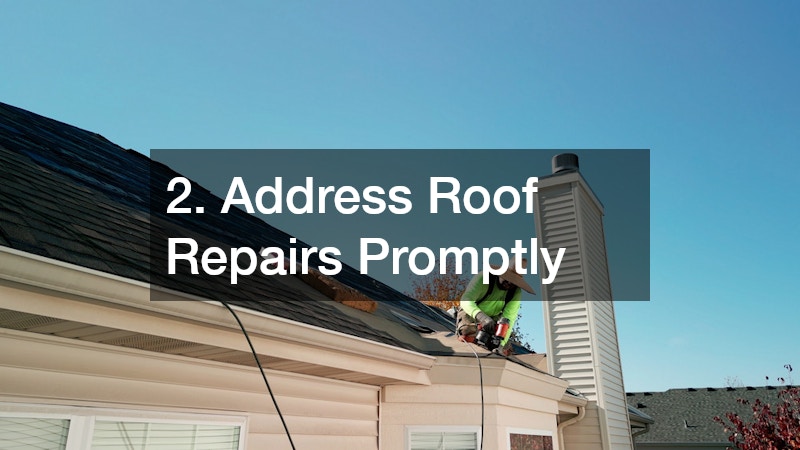
Before installing solar panels, any existing roof issues must be resolved. Ignoring small problems can lead to leaks or structural damage once panels are mounted. Common issues that require attention include broken shingles, worn-out flashing, and minor water damage. Ensuring all repairs are completed beforehand allows your solar panels to perform optimally without interruptions.
A qualified roofing company can handle a variety of roof repairs efficiently. They can patch leaks, replace damaged shingles, and reinforce weak spots. Working with experienced professionals ensures that repairs meet industry standards and will last for the lifetime of the solar system. Roof repairs done correctly also reduce the risk of future disruptions or costly maintenance down the line.
Addressing repairs early can also prevent issues related to heavy solar panel equipment. Panels add weight to your roof, and even minor damage could worsen under this additional load. By tackling roof repairs before installation, homeowners safeguard their investment, reduce future expenses, and increase the overall lifespan of their solar system.
3. Plan for Roof Replacement if Needed
Some roofs may be too old or damaged to support solar panels safely. If your roof is near the end of its lifespan, a full roof replacement might be the best option. Installing solar panels on a roof that needs replacement is risky because the panels may need to be removed later, adding unnecessary cost and labor. Planning ahead ensures your solar installation is a long-term solution rather than a temporary fix.
Residential roofers can assess whether a replacement is necessary and guide homeowners through the process. They can recommend durable materials that complement solar panels and provide lasting protection. Choosing a roof designed for longevity not only secures your solar investment but also enhances the overall value of your home.
A proactive approach to roof replacement allows for proper installation without compromising structural integrity. It ensures that solar panels are mounted on a stable, secure surface, reducing the risk of leaks or damage during extreme weather. Preparing your roof in this way is a smart investment for homeowners who want a solar system that will perform efficiently for decades.
4. Choose the Right Roofing Materials
The type of roofing material you have can impact solar panel installation. While solar panels can be mounted on most roof types, some materials provide a more stable foundation and easier installation. Choosing the right materials can reduce installation time, prevent damage, and improve the efficiency of your solar power system.
Specialty roofing options, such as composite shingles or reinforced metal panels, can offer additional durability and ease of installation. Working with professionals who understand different materials ensures your solar system is compatible and secure. Even small differences in roofing material can affect how panels are mounted and maintained over time.
Homeowners should also consider long-term benefits when selecting roofing materials. Durable, high-quality materials reduce the likelihood of roof repairs or replacements in the future, protecting both the home and solar investment. A carefully chosen roof provides a reliable foundation that keeps your solar panels efficient, safe, and long-lasting.
5. Ensure Proper Structural Support
Solar panels add weight to your roof, so structural integrity is essential. Older homes or those with known weaknesses may require reinforcements before panels are installed. Ensuring proper support prevents damage to your roof and enhances the efficiency of your solar system.
Residential roofers often evaluate roof joists and supports to confirm they can handle additional weight. They may recommend reinforcements or adjustments for safety. Addressing structural needs ahead of time also ensures that panels are mounted correctly, reducing the risk of leaks or shifting.
Proper structural preparation is a critical step for any solar installation. It allows homeowners to avoid costly fixes later and provides peace of mind that the roof can sustain both the panels and everyday environmental stressors like snow, wind, or debris. A roof with solid structural support contributes to the long-term success of your solar power system.
6. Maintain Clear Roof Space and Remove Obstructions
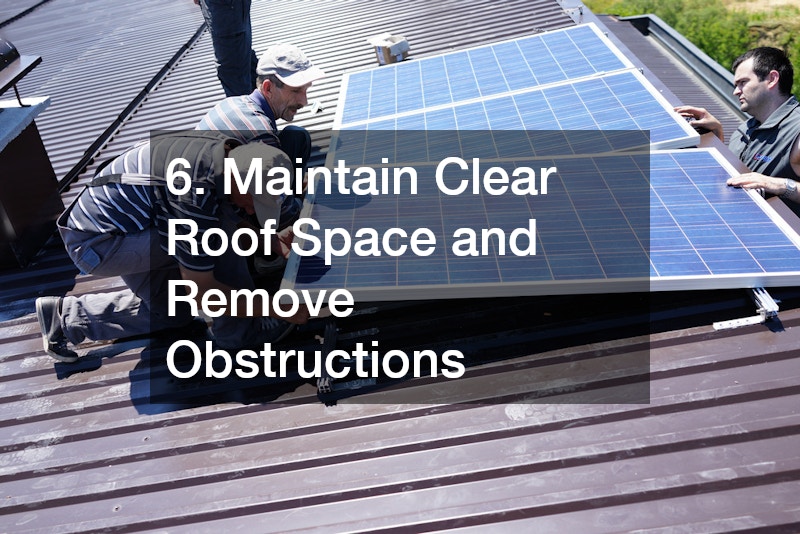
Solar panels perform best on clear, unobstructed surfaces. Removing debris, old equipment, or unnecessary fixtures ensures maximum sunlight exposure. Even small obstructions can reduce energy efficiency and make installation more difficult.
Tree trimming is often necessary to prevent shading from nearby branches. Proper tree trimming ensures that solar panels receive full sunlight throughout the day, increasing energy production. Residential roofers may also inspect for other obstacles such as antennas or satellite dishes that could interfere with panel placement.
Keeping your roof clear also simplifies maintenance and future inspections. A clean, open roof reduces the likelihood of roof damage during storms and provides easier access for roof repairs or gutter work. Preparing the roof in this way is an essential part of achieving an efficient, long-lasting solar installation.
7. Address Drainage and Gutter Systems
Proper water management is vital for roof longevity and solar efficiency. Poor drainage can lead to pooling water, leaks, or damage to panels. Homeowners should ensure that gutters, downspouts, and roof slopes are functioning correctly before installation.
A local gutter installation professional can assess and improve your drainage system. They can repair or replace damaged gutters, install additional downspouts, and ensure water flows away from your roof and foundation. This prevents damage during heavy rain and minimizes the risk of future roof repairs.
Maintaining effective drainage protects both your roof and solar panels. By addressing gutter systems and roof slopes, homeowners can prevent water-related issues that might compromise solar efficiency or lead to costly repairs. Proper preparation ensures that your solar installation lasts and performs at its best.
8. Protect Against Storm Damage
Solar panels and roofs must be able to withstand extreme weather conditions, from heavy rain and hail to strong winds and snow. Preparing your roof for potential storms is essential for reducing the risk of roofing storm damage and ensuring that your solar system remains secure and fully functional. This preparation often involves reinforcing weaker areas of the roof, carefully inspecting flashing, and checking for any loose or damaged shingles that could compromise both the roof and the panels during severe weather.
Specialist roofing company services can provide a thorough evaluation of your roof’s vulnerability and recommend targeted preventive measures. They can identify weak spots, assess the condition of fasteners and mounts, and suggest reinforcements for areas prone to wind or water damage. Proactive steps may include strengthening panel mounts, adding protective barriers to shield vulnerable zones, or addressing minor issues before they escalate. By addressing these potential hazards in advance, homeowners not only protect their investment but also maintain the long-term efficiency of their solar power system.
Being proactive against storm damage provides peace of mind and ensures that your solar installation continues to perform at its best, even during severe weather events. Investing in preventive measures now can save homeowners considerable time, stress, and expense in the future. It also helps avoid unexpected disruptions to your energy production and minimizes the likelihood of costly repairs or panel replacements. A carefully storm-prepared roof protects both your home and your solar panels, keeping your system efficient, safe, and durable for years to come.
9. Source Quality Materials for Your Roof
Using high-quality materials is one of the most important steps in ensuring that both your roof and your solar system are built to last. From shingles to panels and all the supporting hardware, carefully selecting the right materials is essential for long-term durability and overall system performance. Cutting corners or using substandard products can lead to early wear, inefficient solar output, or the need for costly repairs down the line.
Metal roofing supply stores often offer premium options specifically suited for solar installations, giving homeowners access to durable, reliable materials. Selecting top-quality materials not only reduces the likelihood of roof repairs but also provides a stable foundation for mounting solar panels securely. This stability ensures that panels remain properly aligned, minimizing the risk of damage or inefficiency over time. Experienced residential roofers frequently advise working with reputable suppliers to guarantee that every component, from the roof surface to the mounting hardware, meets industry standards.
Investing in high-quality materials also pays off in the long term by lowering maintenance demands. Durable shingles, panels, and supporting products require fewer repairs and replacements, meaning homeowners can enjoy the benefits of their solar system for decades with minimal interruptions. This careful attention to materials is a critical step for anyone committed to a reliable, efficient, and long-lasting solar installation. By prioritizing quality from the outset, you protect both your roof and your investment, ensuring that your home remains energy-efficient and structurally sound for years to come.
10. Work with Experienced Professionals
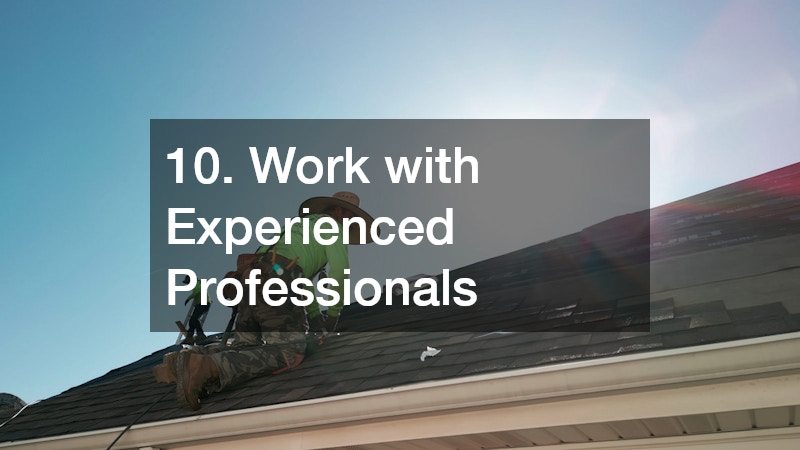
Partnering with skilled professionals is the final step in preparing your roof for solar panels. Experienced residential roofers and solar installers can identify hidden risks, provide expert guidance, and ensure proper installation. Their expertise reduces errors and enhances system longevity.
A trusted roofing company can handle everything from roof repairs to replacements, while coordinating with solar installers to ensure compatibility. By working with seasoned professionals, homeowners can confidently address structural issues, material selection, and storm protection. This comprehensive approach ensures your solar power system operates efficiently for years.
Additionally, professionals can guide homeowners on ongoing maintenance and preventive measures, including tree trimming and routine inspections. Collaborating with experts provides peace of mind, protects your investment, and maximizes the long-term benefits of your solar panels.
Preparing your roof properly is essential for a successful solar panel installation. From thorough inspections and roof repairs to tree trimming and professional guidance, each step contributes to the durability and efficiency of your solar system. By taking the time to implement these 10 smart tips, homeowners can avoid costly mistakes, enhance energy savings, and enjoy a long-lasting solar installation that truly works.
Whether it’s sourcing quality metal roofing supply, addressing roofing storm damage, or scheduling local gutter installation, careful preparation ensures every component functions seamlessly. Working with experienced residential roofers and a trusted roofing company adds further security and confidence.
Investing in these steps now saves money, reduces maintenance needs, and maximizes the performance of your solar power system. A well-prepared roof provides the foundation for energy efficiency, long-term savings, and a more sustainable home.