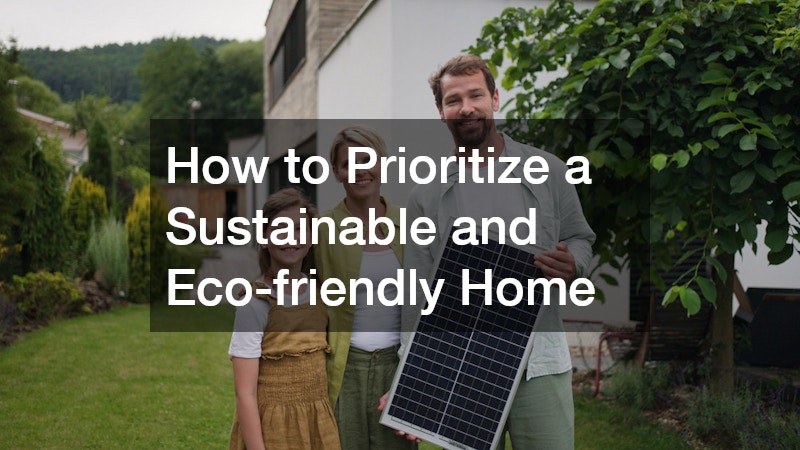
Constructing a sustainable home starts with the materials you choose. Opting for eco-friendly building materials reduces your carbon footprint significantly. For instance, among the options available, using reclaimed wood and bamboo can make a substantial difference. Reclaimed wood not only adds a rustic charm to your home but also saves trees from being cut down.
Bamboo is another excellent sustainable material as it grows rapidly and regenerates without the need for replanting. Partnering with local metal recycling centers to source reclaimed metal for structural elements or décor can further enhance sustainability. Metal recycling not only reduces the need for mining but also cuts down on the energy used to manufacture new metal products.
Making conscious choices about building materials is the first step towards an eco-friendly home. Utilizing recycled materials, when possible, is a practical, direct way to contribute to a more sustainable environment. Plus, many eco-friendly materials are now designed to be more durable, which means less need for replacements over time.
Moreover, alternative eco-friendly materials like cork and straw bales are gaining popularity for their insulating properties and renewability. Cork is harvested without harming trees and offers excellent thermal insulation. Straw bales are an affordable, renewable resource, often used in constructing energy-efficient walls.
Further supporting sustainability, incorporating natural stone into your home’s design offers a durable, low-maintenance option that reduces the need for frequent replacements. Natural stones like granite and sandstone can be locally sourced, reducing transportation emissions. These materials not only provide aesthetic appeal but also enhance a home’s longevity.
By selecting materials that minimize environmental impact, you can contribute to a sustainable construction industry. Emphasizing the importance of material selection encourages others to adopt eco-friendly practices. With the right materials, you build a strong foundation for an enduring, sustainable home.
Improving Energy Efficiency
Energy efficiency is pivotal in maintaining a sustainable home. Beginning with air conditioning systems, investing in energy-efficient models can drastically cut down on energy consumption. Smart thermostats also allow you to monitor and manage energy use effectively, adding an element of personalized efficiency. If you’re looking to minimize airflow demands, installing a leaf guard can keep debris out of systems, maintaining peak performance.
Solar panels are synonymous with energy efficiency in eco-friendly homes. By harnessing the power of the sun, you can generate clean electricity, reducing reliance on fossil fuels. Additionally, water heater installation is another area where you can upgrade to more efficient models. Tankless water heaters, for example, heat water on demand and waste less energy compared to traditional heaters.
Simple steps like unplugging appliances when not in use and switching to LED lighting further reduce unnecessary energy expenditure. These small changes, when combined, can significantly lower your home’s energy consumption. With reduced energy use, you will not only save money on utility bills but will also contribute to a healthier planet.
Incorporating energy-efficient windows can drastically improve your home’s insulation, reducing the need for excess air conditioning. These windows prevent heat loss during winters and keep cool air inside during summers. Choosing double-glazed or triple-glazed windows enhances energy efficiency, contributing to lower utility bills.
Smart home devices offer convenient energy-saving solutions by automating lights, thermostats, and appliances. These systems optimize energy usage based on your habits, ensuring devices operate only when necessary. By integrating smart technology, you actively reduce energy waste and create a more sustainable living environment.
Another effective strategy involves upgrading to energy-efficient appliances that meet modern standards. From refrigerators to washing machines, these appliances consume less energy, lowering your overall carbon footprint. Investing in high-efficiency appliances is a proactive measure towards a more eco-friendly home.
Water Conservation Strategies
Water is a precious resource that can be easily conserved within your home with a few mindful practices. Installing low-flow faucets and showerheads can dramatically reduce water usage without sacrificing performance. Additionally, efficient water heater installation ensures that heating processes do not waste this valuable resource.
Rainwater harvesting systems are another excellent way to conserve water. These systems collect rainwater for reuse in gardening and other non-potable applications. Furthermore, when dealing with wastewater, regular septic pumping maintains the efficiency of your home’s waste systems and prevents environmental contamination.
Implementing water-saving practices can extend to your outdoor spaces as well. Drought-resistant landscaping is both aesthetically pleasing and resource-efficient, reducing the need for frequent watering. Opting for local, native plants ensures less water usage while supporting local biodiversity.
Greywater recycling is an innovative approach to water conservation, allowing you to reuse household wastewater for irrigation and flushing toilets. By installing a greywater system, you maximize water efficiency and reduce the strain on local water supplies. This sustainable practice contributes to water conservation on a broader scale.
Moreover, checking your home for leaks and repairing them promptly can prevent significant water loss. A small drip from a leaky faucet can waste gallons of water over time. Regular maintenance of plumbing systems ensures efficient water use throughout your home.
Installing smart irrigation systems for your garden can further optimize water use by adjusting watering schedules based on weather conditions. These systems monitor soil moisture levels and activate sprinklers only when necessary. By incorporating smart irrigation, you conserve water while maintaining a healthy, vibrant landscape.
Effective Waste Management
A sustainable home should have an effective waste management system in place. Recycling plays a crucial role in waste minimization. To enhance this, consider setting up separate bins for metal recycling, plastics, paper, and electronics. Regular visits to laundromats that adhere to green practices can also support this effort through sustainable cleaning efforts.
Composting is another method to manage organic waste efficiently. By doing so, you convert waste into nutrient-rich soil that benefits your garden. Furthermore, engaging in community programs for electronic waste ensures that these materials are disposed of in a way that minimizes environmental impact.
Adopting these practices not only reduces the volume of waste sent to landfills but also encourages a culture of sustainability within your home. Educating your family on proper recycling techniques ensures that everyone contributes to the home’s eco-friendly goals.
Conducting regular waste audits can help identify areas where you can improve waste reduction efforts. By analyzing your waste output, you can make informed decisions on how to minimize waste generation. This proactive approach fosters a greater awareness of consumption habits and promotes sustainable practices.
Additionally, upcycling offers creative solutions for repurposing materials that would otherwise be discarded. By transforming waste into valuable products, you extend the lifecycle of materials and reduce the need for new resources. Engaging in upcycling projects can be both rewarding and environmentally beneficial.
Supporting local recycling initiatives and programs enhances waste management efforts within your community. These programs often include drop-off centers for hard-to-recycle items and educational resources on proper waste disposal. Participation in community recycling helps create a more sustainable environment for everyone.
Smart Landscaping for Sustainability
Landscaping that supports sustainability is an essential component of an eco-friendly home. Strategic planting and design choices, like integrating tree services, can support local wildlife and improve air quality. Trees naturally filter air pollutants and provide shade, reducing the need for excessive air conditioning.
Incorporating a leaf guard into your gutter system protects against clogs and allows rainwater to flow freely, supporting efficient drainage. When paired with rain gardens, this setup can mitigate stormwater runoff. Moreover, selecting drought-tolerant plants reduces the need for irrigation, conserving water and lowering maintenance demands.
Engaging professional tree services to maintain the health of your trees ensures they remain integral to your sustainable landscape. Understanding the native plant species that thrive in your region can help create robust ecosystems that require fewer resources to flourish.
Implementing permaculture principles in your garden enhances sustainability by creating self-sufficient ecosystems. By mimicking natural processes, you reduce the need for external inputs like fertilizers and pesticides. This ecological approach fosters a resilient landscape that supports diverse plant and animal life.
Using organic mulches and compost in your garden enriches the soil and reduces the need for chemical fertilizers. Mulchgarden pathways can minimize soil erosion and support plant growth by retaining moisture. This natural soil enhancement promotes healthy plant development and reduces dependency on synthetic soil amendments.
Additionally, installing insect-friendly habitats like bee hotels promotes biodiversity and boosts pollination in your garden. These structures provide safe spaces for beneficial insects, contributing to a balanced ecosystem. Supporting local pollinators ensures a thriving garden that aligns with sustainable landscaping practices.
Building a More Efficient Home Environment
Enhancing your home environment efficiency can extend to everyday practices. Technological upgrades like installing smart home devices boost efficiency by automating systems and allowing remote management. These include smart lighting and thermostats that adjust based on occupancy and usage patterns.
For those living in tiny homes, space is an ally in minimizing energy use. The compact nature of tiny homes means heating and cooling demands are naturally lower. Additionally, these homes often maximize functionality in creative ways, further reducing environmental impact.
For pest control, consider using orange oil termite control systems. This environmentally friendly solution effectively manages termite infestations without harmful chemicals, supporting a healthy indoor environment. Adopting eco-friendly pest control is consistent with maintaining a greener home.
Using natural building materials for interior design enhances the sustainability of your home environment. Materials like bamboo flooring and cork wall panels offer renewable options that boost indoor air quality. Opting for low-VOC paints further minimizes exposure to harmful chemicals, promoting a healthier living space.
Implementing cross-ventilation strategies can improve air circulation in your home, reducing reliance on air conditioning. Designing your home layout to encourage natural airflow decreases energy consumption and maintains a comfortable indoor climate. This simple yet effective technique enhances overall home efficiency and supports sustainability.
Regular home maintenance ensures systems operate efficiently and sustainably. Routine inspections of air conditioning units, water heater installations, and other essential elements can identify inefficiencies or failures early. By addressing potential issues promptly, you maximize energy efficiency and prolong system life.
Fostering a Green Lifestyle

Your commitment to a sustainable home extends beyond the physical structure to encompass lifestyle choices as well. Transitioning to a plant-based diet can reduce carbon emissions associated with meat production. Furthermore, supporting local farmers and markets reduces transportation emissions and supports community-based ecosystems.
Consider laundering habits as well. Frequenting laundromats that prioritize eco-friendly cleaning technologies can contribute to the reduction of water waste. These establishments often use less water and energy per load compared to conventional home appliances.
Lastly, continual education about sustainable practices and technologies is crucial. Participating in local eco-friendly workshops or seminars can offer new insights and practical tips to implement at home. This ongoing learning process reinforces a commitment to sustainability in every aspect of life.
Embracing a minimalist lifestyle can significantly reduce your environmental footprint by limiting resource consumption. By prioritizing quality over quantity, you decrease clutter and wastefulness while focusing on essential items. This shift towards simplicity supports a more sustainable and fulfilling way of living.
Another impactful lifestyle change involves reducing plastic use by opting for reusable or biodegradable alternatives. Simple swaps, like using cloth bags, glass containers, and metal straws, help decrease plastic waste in landfills and oceans. These conscious choices contribute to cleaner environments and support eco-conscious industries.
Engaging in community service projects focused on sustainability fosters a sense of collective responsibility. Volunteering for local clean-up events, tree planting, or environmental education programs strengthens community bonds and promotes eco-friendly initiatives. Through collaborative efforts, you inspire others to adopt sustainable habits and contribute to a healthier planet.
Prioritizing sustainability and eco-friendliness in your home is a journey, not a destination. Combining efficient building materials, water conservation, energy efficiency, and waste management creates a holistic approach to sustainable living. By doing so, you are actively contributing to a healthier planet.
Incorporating services such as metal recycling and orange oil termite control further minimizes your environmental footprint. Home efficiency is enhanced with the use of technologies and smart landscaping strategies. Ultimately, integrating these elements creates a home that is not only sustainable but also safe and comfortable.
Adopting a greener lifestyle encourages not just personal responsibility but community engagement. By fostering these values, we can all play a part in sustaining the future for generations to come. Together, the small choices we make can lead to substantial impacts on achieving a sustainable and eco-friendly home.