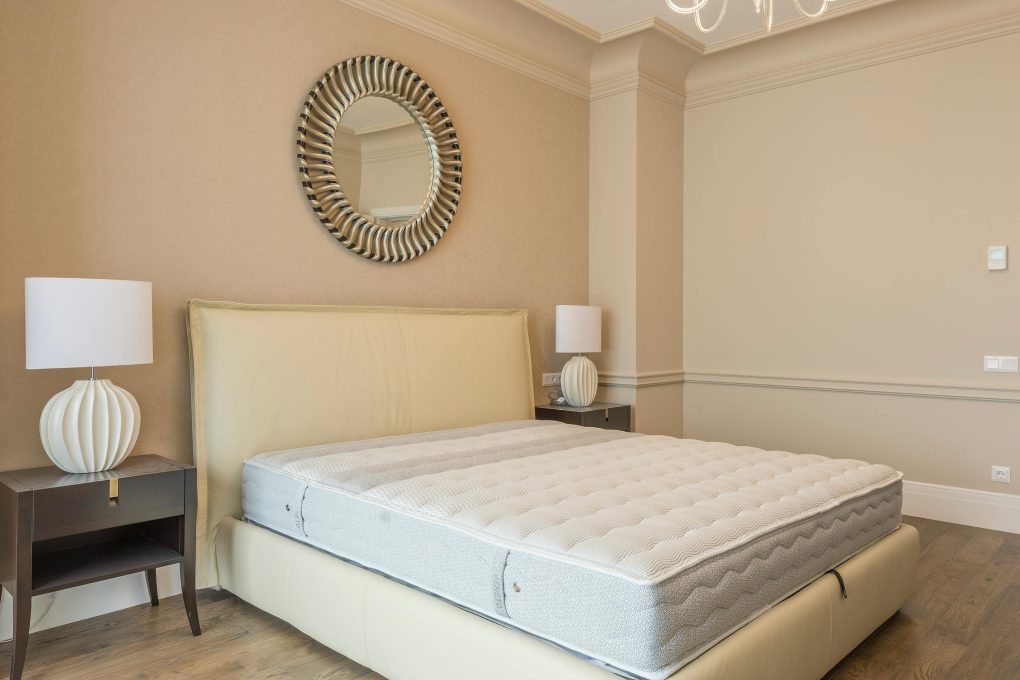
If you grew up in a house where Saturday mornings involved stripping the beds and lugging heavy mattresses around to turn them over, you might think flipping your bed is just a normal part of being a homeowner. For decades, it was the “gold standard” of bedroom maintenance. However, if you try to flip a modern mattress today, you might actually end up ruining a very expensive piece of furniture.
The world of sleep technology has changed drastically in the last twenty years. We have moved away from simple springs and cotton batting to complex layers of memory foam, cooling gels, and specialized support zones. Because of these changes, the rules for taking care of your bed have changed too. Understanding whether your specific bed needs to be flipped, rotated, or replaced is the key to getting the best possible sleep.
In this guide, we are going to clear up the confusion about mattress flipping. We will look at the construction of modern beds, the signs that your mattress is struggling, and the best ways to keep your sleep surface flat and supportive. By the end of this article, you will know exactly how to give your bed the attention it deserves.
1. The History of the Flip: Why We Used to Do It
To understand why the “to flip or not to flip” question is so confusing, we have to look at how beds used to be made. Traditional mattresses were “double-sided” or “two-sided.” This means the top of the mattress looked exactly like the bottom.
In these older designs, the spring unit was in the very middle, and there were equal layers of padding on both sides. Because the padding was the same, you could sleep on either side. Flipping the mattress every six months allowed the padding on the bottom to “recover” while you compressed the padding on the top. This kept the bed from developing a permanent “body impression” or a deep sag in the middle.
2. The Modern Mattress: Why Most Can’t Be Flipped
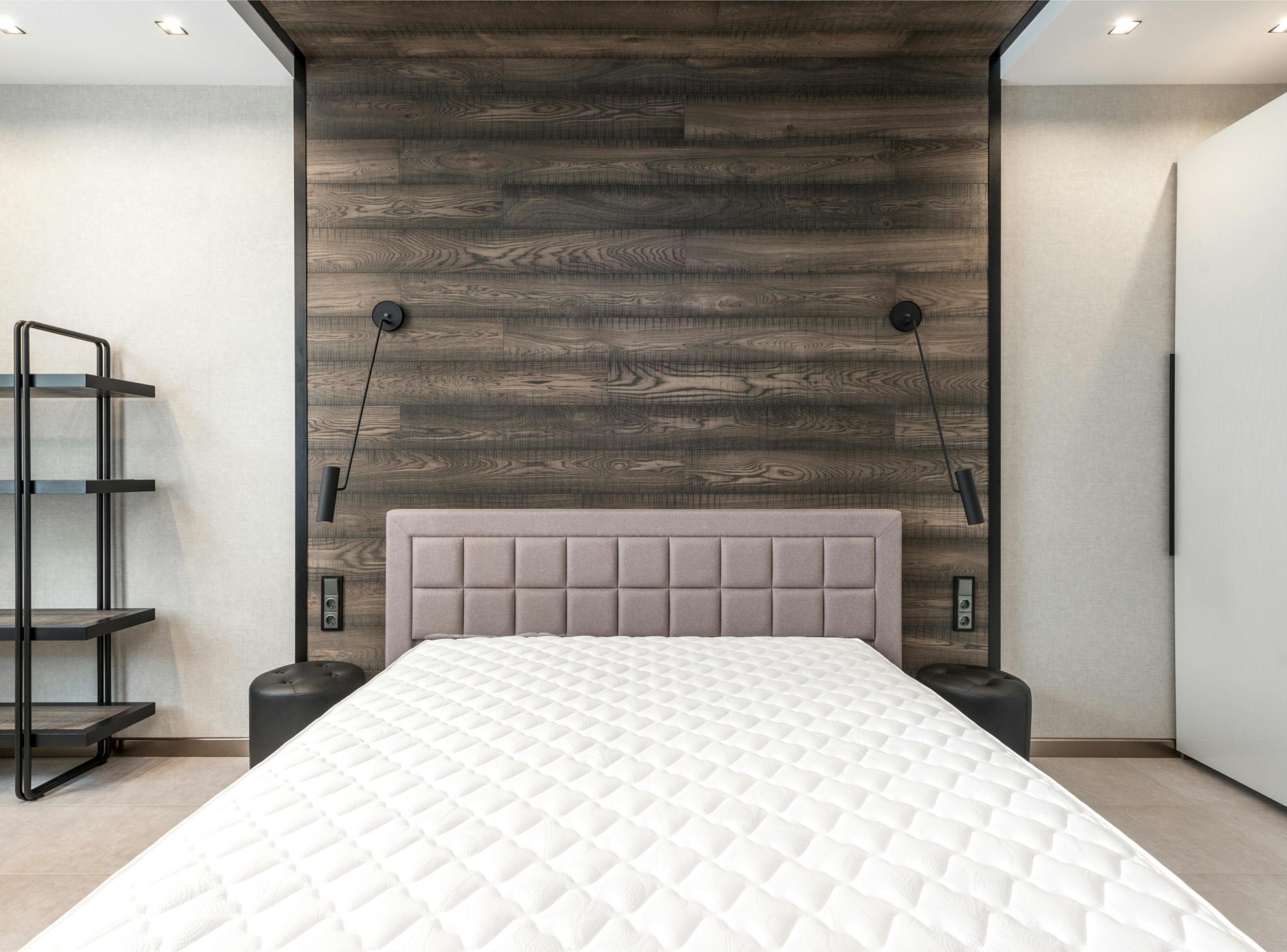
Starting in the early 2000s, many major mattress companies moved toward a “one-sided” design. These are often called “No-Flip” mattresses. If you look at one of these beds from the side, you will see that it is built like a cake with different layers.
- The Base Layer: The bottom 50% to 70% of the mattress is usually made of very hard, high-density foam or heavy-duty coils. This layer is designed to be the “foundation.” It is not comfortable to sleep on.
- The Support Layer: The middle section provides the push-back that keeps your spine straight.
- The Comfort Layer: This is the top 2 to 4 inches. It is made of soft memory foam, latex, or plush pillow-top materials. This is the only part of the bed designed for your body to touch.
The Danger of Flipping: If you flip a one-sided mattress, you are putting the soft comfort layers on the bottom, where the weight of the mattress will crush them against the bed frame. Even worse, you will be sleeping on the hard base foam, which will feel like sleeping on a sidewalk. This can lead to extreme back pain and can even void your warranty.
3. Rotate vs. Flip: Knowing the Difference
Since most modern beds shouldn’t be flipped, how do you prevent them from sagging? The answer is rotation.
- What is Rotation? Rotating means turning the mattress 180 degrees so that the part that was at the “head” of the bed is now at the “foot.”
- Who Should Rotate? Almost every mattress—including memory foam, hybrid, and innerspring—benefits from being rotated.
- Why Rotate? Most people sleep in the exact same spot every night. Over time, your hips and shoulders (the heaviest parts of your body) will compress the foam in that specific area. By rotating the bed, you give those foam cells a “break” and force your weight onto a different section of the support system.
4. Signs Your Mattress Needs Attention
How do you know if your bed is doing its job? Your mattress won’t start screaming when it’s tired, but it will give you several silent signals.
- Visible Dips: If you strip the sheets and see a “valley” where you usually sleep, your bed needs help. If the dip is deeper than one inch, rotation might not be enough to fix it.
- Morning Stiffness: If you wake up feeling like you’ve been in a boxing match, but the pain goes away after you’ve been up and walking for an hour, your mattress is failing to support your spine.
- Hammocking: This is when the edges of the bed stay high but the middle sinks. It makes you feel like you are sleeping in a hammock. This is a sign that the internal support structure is broken.
- Heat Trapping: If your memory foam bed suddenly feels much hotter than it used to, it might be because you have compressed the cooling layers so much that there is no longer any airflow.
5. When Rotation Isn’t Enough: The Lifespan Question
At some point, no amount of rotating or care can save a worn-out bed. Every homeowner eventually has to ask, how often should you get a new mattress?
While a high-quality latex or memory foam bed might last 10 to 12 years, a standard innerspring bed usually starts to fail after about 7 or 8 years. If you find that you are rotating your bed every single month just to stay comfortable, the materials inside have reached the end of their life. Investing in a new mattress isn’t just a home improvement project; it’s a health improvement project.
6. Special Cases: Which Beds Should Be Flipped?
While one-sided beds are the most common today, there are still a few “flippable” options on the market.
- Budget Innersprings: Some lower-cost traditional beds are still made with two identical sides. These must be flipped and rotated to last more than a few years.
- Natural Latex: Some luxury latex brands make two-sided beds. Latex is so durable that flipping it can help it last for 15 to 20 years.
- Dual-Firmness Beds: Some mattresses are “firm” on one side and “soft” on the other. You flip these based on your personal preference, not necessarily for maintenance.
How to tell: Look at the bottom of your mattress. If it has a non-skid, black, or grey fabric that feels different from the top, it is a one-sided bed. If it has the same beautiful quilted fabric on both sides, it is likely flippable.
7. The Role of the Bed Frame and Foundation
Sometimes, the “sag” you feel in your mattress isn’t the mattress’s fault at all. It might be the “foundation” (the box spring or slats) underneath.
- Check Your Slats: If you have a platform bed, make sure the wooden slats are not bowed or cracked. If the slats are more than 3 inches apart, the mattress can actually “ooze” between them, causing permanent damage.
- The Center Support: For Queen and King-sized beds, the frame must have a center support leg that touches the floor. Without that center leg, the whole bed will bow toward the middle, creating a “taco” effect that no amount of flipping can fix.
- The Box Spring Test: If you have a traditional box spring, push down on different areas. If you hear squeaking or if it feels “mushy” in one spot, the box spring has failed. Placing a brand-new mattress on an old, broken box spring will ruin the new mattress in less than a year.
8. A Simple Maintenance Schedule
To keep your bed in top shape, you should treat it like any other major appliance in your home. It needs a regular “tune-up.”
- Every 3 Months: Rotate the mattress 180 degrees. If you have a partner who is much heavier or lighter than you, this is especially important to balance the wear.
- Every 6 Months: Vacuum the surface of the mattress. This removes dust mites and dead skin cells that can weigh down the fibers and cause allergies.
- Once a Year: Strip the bed completely and check the frame and slats for any loose bolts or cracks. Tighten everything up to ensure the base is solid.
9. Hygiene and Health: More Than Just Springs

Attention to your bed isn’t just about the physical shape; it’s about cleanliness. A “tired” bed is often a “dirty” bed.
We lose about half a pint of moisture every night through sweat. Over several years, that moisture can lead to mold or mildew inside the foam layers. This is why a high-quality mattress protector is the best investment you can make for your bed. A waterproof, breathable protector keeps fluids and oils away from the foam, ensuring that the “support” layers don’t turn into “mush.”
10. The Bottom Line: Listen to Your Body
At the end of the day, your body is the best judge of whether your bed needs attention. If you go on vacation and sleep perfectly at a hotel, but come home and wake up with a “kink” in your neck, your mattress is telling you something.
Don’t ignore the signs. Whether it’s a simple 180-degree rotation, a new set of support slats, or a total replacement, taking care of your sleep surface is one of the most important things you can do for your quality of life. We spend a third of our lives in bed—make sure those hours are actually helping you recover, not making you feel older.
Conclusion
So, should you flip your mattress? For 90% of modern sleepers, the answer is no—but you should definitely rotate it. Understanding the “anatomy” of your bed is the first step in proper home maintenance. One-sided mattresses are designed to be a high-tech stack of comfort, and they need to stay right-side up to do their job.
Keep an eye out for sags, listen for squeaks in your bed frame, and stay on a consistent rotation schedule. By giving your bed a little bit of attention every few months, you can extend its life and ensure that you wake up every morning feeling refreshed and ready to tackle your next home improvement project.